WHAT IS VEGANISM?
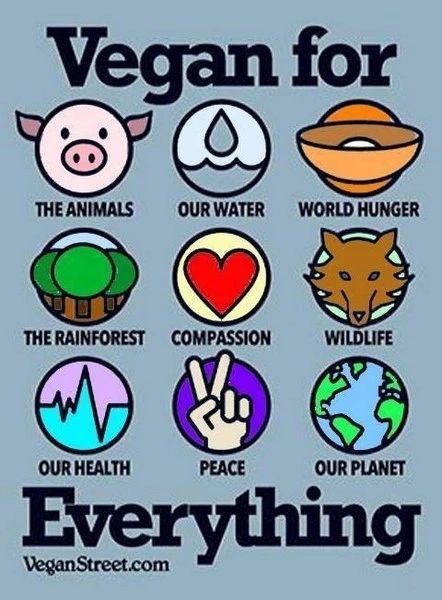
Veganism is a way of living that rejects the use of animals for food, clothing, entertainment, experimentation, and other forms of exploitation. It is a commitment to recognizing animals as individuals — beings who can feel pain, experience emotions, form relationships, and value their own lives. Veganism is about making the choice to not participate in the systems that harm animals when we have the ability to choose another way.
Want to learn more about veganism and the impact our choices have on animals, our health, and the planet? The Game Changers is an inspiring documentary that explores the benefits of a plant-based lifestyle and challenges common myths about nutrition. click to watch below
A Choice That Helps Animals
Behind every piece of meat, dairy product, or egg is an animal who wanted to live. Billions of animals experience suffering, confinement, and loss of their lives because they are viewed as products instead of individuals.
Veganism is a commitment to no longer participate in that system and to choose a kinder way forward.
A Choice That Helps the Planet
Animal agriculture has a major impact on the environment. It requires large amounts of land, water, and resources and contributes to:
- greenhouse gas emissions
- deforestation
- habitat destruction
- water pollution
- biodiversity loss
Research has found that plant-based diets generally have a lower environmental footprint than diets centered around animal products.
Choosing more plant-based foods is one of the individual actions people can take to reduce their environmental impact.
A Choice That Supports Health
A well-planned vegan diet can provide all the nutrients needed for a healthy life. Studies have linked well-planned plant-based diets with benefits including:
- lower risk of heart disease
- improved blood pressure
- healthier cholesterol levels
- better weight management
- lower risk of certain chronic diseases
Like any diet, balance matters. A vegan diet built around whole foods such as fruits, vegetables, legumes, grains, nuts, and seeds can be incredibly nutritious.
The Animals Behind Our Choices
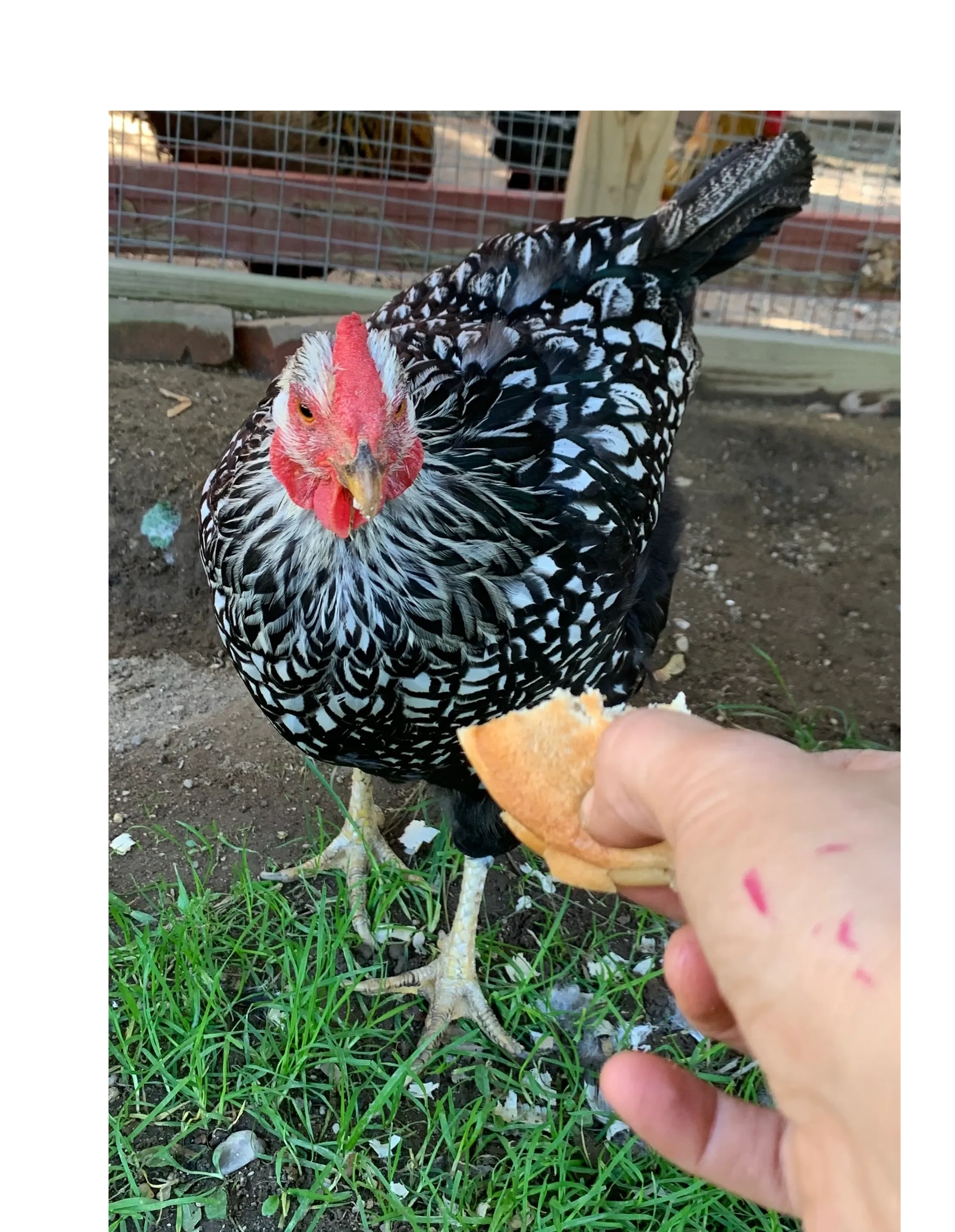
Every animal is an individual with their own personality, emotions, and way of experiencing the world. The animals we often see as products have complex lives, strong social bonds, and the ability to feel joy, fear, comfort, and pain. Learning who they truly are helps us understand why our choices matter.
Want to learn more about the animals behind our choices?
Dominion is a powerful documentary that takes a closer look at how animals are treated in industries around the world, including food, clothing, and entertainment. It explores the lives of animals and the systems that impact them. click to watch below

PIGS
CHICKENS
CHICKENS
Pigs are highly intelligent, emotional, and social animals with unique personalities and strong memories. They are often compared to young children in their cognitive abilities and are considered among the most intelligent animals on Earth. Pigs can solve problems, learn quickly, recognize individuals, communicate with each other, and fo
Pigs are highly intelligent, emotional, and social animals with unique personalities and strong memories. They are often compared to young children in their cognitive abilities and are considered among the most intelligent animals on Earth. Pigs can solve problems, learn quickly, recognize individuals, communicate with each other, and form deep social bonds.
Despite their intelligence, pigs raised for food are often treated as production animals rather than living beings. They are selectively bred to grow quickly and produce large amounts of meat, which can lead to serious health problems. Many farmed pigs live in stressful, overcrowded conditions without the space or freedom to root, explore, play, and express their natural behaviors.
Pigs are naturally clean animals who prefer to keep their sleeping and eating areas separate from where they relieve themselves. Yet many are killed at only 5–6 months old, after living only a small portion of their natural lifespan.
Every pig is an individual with their own personality, emotions, and desire to experience life. They deserve to be seen as sentient beings, not as objects created for human use.
CHICKENS
CHICKENS
CHICKENS
Chickens are intelligent, social, and emotionally complex animals with unique personalities. They communicate through a wide range of sounds, recognize individuals, remember experiences, and form strong bonds with their flock. Mother hens begin communicating with their chicks before they hatch, guiding and protecting them from the moment
Chickens are intelligent, social, and emotionally complex animals with unique personalities. They communicate through a wide range of sounds, recognize individuals, remember experiences, and form strong bonds with their flock. Mother hens begin communicating with their chicks before they hatch, guiding and protecting them from the moment they enter the world.
Despite their intelligence, chickens raised for meat and eggs are often treated as production animals rather than living beings. Chickens bred for meat have been selectively bred to grow unnaturally large at an extremely fast rate, which can cause painful health problems, difficulty walking, and organ strain. Many are killed at only 6–8 weeks old, before they have the chance to experience a natural life.
Egg-laying hens face their own suffering, often living in restrictive environments where they cannot fully express natural behaviors like nesting, dust bathing, foraging, and exploring.
Every chicken is an individual who can feel fear, comfort, curiosity, and connection. They deserve to be recognized as living beings, not as objects created for human use.
DUCKS
CHICKENS
DUCKS
Ducks are intelligent, social, and emotionally complex birds who form strong bonds with their flock. They communicate through sounds and body language, experience fear, comfort, and curiosity, and have unique personalities.
The duck industry often treats these sensitive animals as products rather than individuals. Pekin ducks, the most co
Ducks are intelligent, social, and emotionally complex birds who form strong bonds with their flock. They communicate through sounds and body language, experience fear, comfort, and curiosity, and have unique personalities.
The duck industry often treats these sensitive animals as products rather than individuals. Pekin ducks, the most commonly farmed duck breed for meat and down, have been bred to grow unnaturally large and quickly, which can cause painful health problems, difficulty walking, and suffering throughout their short lives. Many are killed at only 7–8 weeks old for meat.
Down, the soft layer of feathers beneath a duck’s outer feathers, is used in clothing, bedding, and other products. In some industries, ducks may experience painful handling, including live-plucking, where feathers are ripped from their bodies while they are still alive.
Ducks are not sources of meat or feathers — they are intelligent, feeling beings who deserve compassion, respect, and a life free from exploitation.
GOATS
Goats are intelligent, curious, and social animals with unique personalities. They form strong relationships, communicate with each other, explore their surroundings, and can learn from their experiences. They are playful, affectionate, and much more complex than the way they are often viewed.
Despite this, goats are commonly used for mea
Goats are intelligent, curious, and social animals with unique personalities. They form strong relationships, communicate with each other, explore their surroundings, and can learn from their experiences. They are playful, affectionate, and much more complex than the way they are often viewed.
Despite this, goats are commonly used for meat, dairy, and fiber production. Many goats raised for meat are slaughtered while they are still very young — often just a few months old — before they have had the chance to experience a natural life.
Dairy goats are repeatedly bred so humans can take their milk, and their babies may be separated or used for other purposes. Goats raised for fiber, such as Angora goats used for mohair, are also treated as a source of material rather than as individuals with their own needs and desires.
A goat is not a product. They are a living being who can feel pain, experience emotions, and value their own life.

SHEEP
Sheep are gentle, intelligent animals who form strong bonds with their flock and recognize familiar individuals. They have unique personalities, memories, and emotions. They enjoy exploring, grazing, and spending time with others — they are not the simple, mindless animals they are often portrayed to be.
Despite this, sheep are commonly u
Sheep are gentle, intelligent animals who form strong bonds with their flock and recognize familiar individuals. They have unique personalities, memories, and emotions. They enjoy exploring, grazing, and spending time with others — they are not the simple, mindless animals they are often portrayed to be.
Despite this, sheep are commonly used for meat, wool, and their skin. A baby sheep is called a lamb, and “lamb” is the meat of a young sheep. Many lambs are slaughtered when they are only a few months old, long before they would have reached adulthood.
Sheep used for wool are bred to produce excessive amounts of fleece for human use. Shearing is not simply a harmless haircut — sheep can experience fear, stress, and injuries during the process, especially when handled roughly. After their wool production declines, many are still sent to slaughter for meat.
Sheep are not wool, meat, or a resource. They are individuals who feel, experience the world, and deserve a life of their own.
BOVINE
BOVINE
Bovine are gentle, intelligent, and social animals who form strong relationships with their families and herd. They recognize familiar individuals, communicate with each other, and have unique personalities. Cows enjoy exploring, playing, running, and spending time with those they trust. They experience emotions such as comfort, happines
Bovine are gentle, intelligent, and social animals who form strong relationships with their families and herd. They recognize familiar individuals, communicate with each other, and have unique personalities. Cows enjoy exploring, playing, running, and spending time with those they trust. They experience emotions such as comfort, happiness, fear, and stress.
The dairy and beef industries use cows in different ways, but both end with the same outcome: the animal’s life is taken. Dairy cows must give birth to produce milk, and their calves are often separated from them shortly after birth. Male dairy calves may be raised for veal or beef, while female calves may replace their mothers in the dairy industry.
Veal comes from young calves, often slaughtered at only a few months old. Beef comes from older cattle raised specifically for meat, with many slaughtered around 18–30 months of age. Leather is also made from the skin of cows, meaning the same animal used for beef may also become a source of leather products.
Labels like “grass-fed” or “pasture-raised” may change how an animal spends part of their life, but they do not change the final outcome — these animals are still killed.
Cows are individuals who form bonds, experience the world around them, and value their own lives.
ALPACAS
ALPACAS
ALPACAS
Alpacas are gentle, intelligent, and deeply social animals who form strong emotional bonds with their herd and the humans who care for them. They are curious, sensitive beings with unique personalities — some are playful and confident, while others are shy and affectionate. They communicate through soft humming, body language, and close
Alpacas are gentle, intelligent, and deeply social animals who form strong emotional bonds with their herd and the humans who care for them. They are curious, sensitive beings with unique personalities — some are playful and confident, while others are shy and affectionate. They communicate through soft humming, body language, and close social connections.
Although alpaca wool is often marketed as a luxury, it comes from an animal who experiences comfort, fear, stress, and pain. In many commercial industries, alpacas are treated as sources of fiber rather than living individuals. Shearing can be frightening and stressful when done for profit, especially when animals are handled roughly or without care for their wellbeing.
Alpacas are also raised and killed for meat in some regions. When used for meat production, they may be slaughtered at a young age, often around 1–2 years old, long before reaching their natural lifespan of 15–20 years.
Every alpaca is more than the fiber they produce. They are sensitive animals who deserve respect, compassion, and a life where they are valued for who they are — not what can be taken from them.
TURKEYS
ALPACAS
ALPACAS
Turkeys are intelligent, social, and emotionally complex animals with unique personalities. They form strong bonds, communicate with each other, recognize individuals, and show curiosity, problem-solving abilities, and a desire to explore their surroundings.
The turkey industry has bred turkeys to grow unnaturally large so they can reach
Turkeys are intelligent, social, and emotionally complex animals with unique personalities. They form strong bonds, communicate with each other, recognize individuals, and show curiosity, problem-solving abilities, and a desire to explore their surroundings.
The turkey industry has bred turkeys to grow unnaturally large so they can reach slaughter weight quickly. Modern farmed turkeys are often unable to live naturally because their oversized bodies can cause painful health problems, difficulty walking, and limited movement. Many are killed at only 4–6 months old, despite turkeys naturally being capable of living for many years.
Behind every turkey product is an individual who experienced the world through their own senses — an animal who could feel comfort, fear, and joy. Turkeys deserve a life where they are valued as living beings, not simply raised and killed for profit.
HORSES
ALPACAS
HORSES
Horses are intelligent, sensitive, and deeply social animals with unique personalities and strong emotional bonds. They communicate through body language, recognize individuals, remember experiences, and thrive when they have the freedom to move, graze, explore, and live naturally with other horses.
Despite this, horses are often used for
Horses are intelligent, sensitive, and deeply social animals with unique personalities and strong emotional bonds. They communicate through body language, recognize individuals, remember experiences, and thrive when they have the freedom to move, graze, explore, and live naturally with other horses.
Despite this, horses are often used for riding, racing, entertainment, and transportation rather than respected as individuals. Horseback riding can place stress on their bodies, while industries like racing and tourism may push horses beyond their physical and emotional limits. Carriage horses are often forced to work in busy streets, exposed to traffic, noise, pollution, extreme temperatures, and the constant strain of pulling heavy loads.
When horses are no longer considered useful or profitable, some are abandoned, sent to slaughter, or killed for meat. The horse meat industry subjects these sensitive animals to fear, stress, and suffering.
Horses are not machines, vehicles, or commodities. They are sentient beings who feel pain, form relationships, and deserve a life defined by freedom, respect, and compassion.
ANIMALS USED FOR THEIR FUR
Animals such as minks, foxes, chinchillas, rabbits, and raccoon dogs are often exploited for their fur. Many are confined to small cages, unable to express their natural behaviors, before being killed so their coats can be turned into clothing and accessories.
Fur is not a necessity — it is a choice that comes at the cost of an animal’s l
Animals such as minks, foxes, chinchillas, rabbits, and raccoon dogs are often exploited for their fur. Many are confined to small cages, unable to express their natural behaviors, before being killed so their coats can be turned into clothing and accessories.
Fur is not a necessity — it is a choice that comes at the cost of an animal’s life. These animals are individuals who feel pain, fear, and stress, and they deserve to live for more than their appearance
ANIMALS USED FOR THEIR SKIN
Leather is often overlooked because it is treated as a material rather than the skin of a living being. Cows are the most common animals used for leather, but pigs, goats, sheep, and other animals are also exploited for their skin.
Every leather product comes from an animal who was once alive. Their skin is not a resource — it was part o
Leather is often overlooked because it is treated as a material rather than the skin of a living being. Cows are the most common animals used for leather, but pigs, goats, sheep, and other animals are also exploited for their skin.
Every leather product comes from an animal who was once alive. Their skin is not a resource — it was part of an individual who could feel, experience the world, and value their own life.

WILD ANIUMALS & HUNTING
WILD ANIUMALS & HUNTING
Wild animals are intelligent, emotional individuals — not trophies, targets, or resources. Deer, foxes, coyotes, bears, lions, and countless other species experience fear, pain, stress, family bonds, and a natural desire to survive.
In today’s world, hunting is not necessary for human survival. Food is widely available without taking the
Wild animals are intelligent, emotional individuals — not trophies, targets, or resources. Deer, foxes, coyotes, bears, lions, and countless other species experience fear, pain, stress, family bonds, and a natural desire to survive.
In today’s world, hunting is not necessary for human survival. Food is widely available without taking the life of a wild animal. Yet millions of animals are still killed for recreation, tradition, trophies, or personal enjoyment. Trophy hunting turns living beings into prizes, with animals like lions and other iconic species killed for status and photographs rather than for any true need.
Wild animals do not understand why they are being chased or targeted, and they cannot defend themselves against humans using modern weapons and technology. Hunting can also tear apart families, disrupt social groups, and remove important members of wildlife communities.
Every wild animal is an individual with their own experiences, relationships, and place in nature. They deserve the chance to live freely — not to be hunted, displayed, or treated as something humans have the right to take.
the truth about dairy
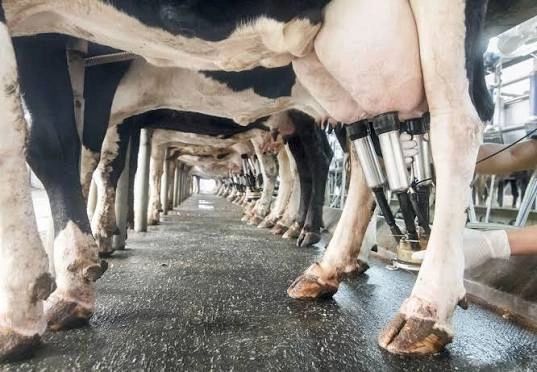
A cow’s milk belongs to her calf. The dairy industry depends on repeatedly impregnating cows, separating mothers from their babies, and taking the milk meant for their young. When cows can no longer produce enough milk, they are sent to slaughter. Dairy is not just a product — it comes from an animal who experienced pregnancy, loss, and suffering.
Want to understand the truth behind dairy?
Watch this documentary to see the reality of the dairy industry, how cows and calves are treated, and why many people choose to leave dairy behind.
A MOTHER'S MILK
Cows produce milk for one reason: to feed their babies. In the dairy industry, cows are repeatedly impregnated so humans can take that milk instead. Their calves are often removed shortly after birth, sometimes within hours.
Mother cows and their calves form strong bonds, and many mothers show clear signs of distress after separation, including calling out, searching for their babies, and displaying signs of stress. The milk meant for their calf becomes a product for human consumption.
THE LIFE OF A DAIRY COW
A dairy cow’s life is built around a cycle of pregnancy, birth, separation, and milk production. Modern dairy cows are bred to produce far more milk than they naturally would, which places enormous demands on their bodies.
Although cows can live 15–20 years naturally, many dairy cows are sent to slaughter after only a few years when their milk production declines or their bodies can no longer keep up.
WHERE DOES DAIRY LEAD?
The dairy industry depends on cows being used for their reproductive systems and their milk. Female calves may be raised to replace their mothers, while male calves may be used for veal or beef.
Labels such as “grass-fed,” “organic,” or “humane” may change certain conditions, but they do not change the basic cycle: a mother must give birth, her milk is taken, her babies are separated, and her life eventually ends when she is no longer profitable.
the truth about eggs
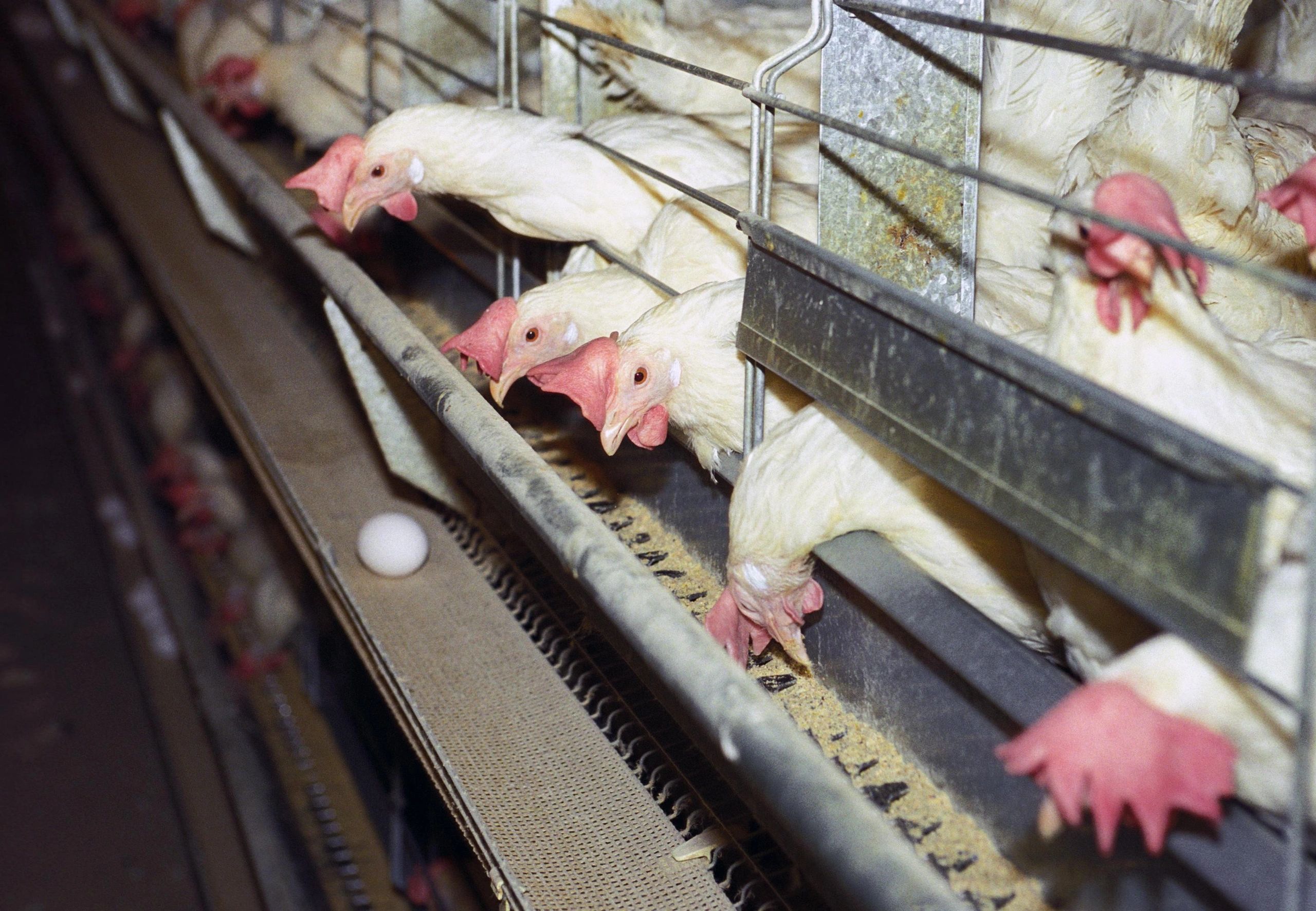
Modern egg-laying hens have been selectively bred to produce hundreds of eggs every year — far beyond what their bodies would naturally produce. This extreme level of production places enormous stress on their bodies and can lead to painful health problems, including weakened bones, calcium depletion, reproductive disorders, and exhaustion.
A hen’s body was not designed to constantly produce eggs for human consumption. The egg industry has turned a natural biological process into a production system that pushes chickens far beyond what is healthy for them.
Want to see the truth behind the eggs on your plate?
Land of Hope and Glory explores the reality animals face in modern agriculture, including the egg industry, and shows why veganism is a compassionate choice for animals.
A LIFE BEGINS WITH A LOSS
The egg industry begins with a simple question: can this chick produce eggs? Male chicks cannot lay eggs and are not the breed used for meat production, so they are considered unwanted by the industry. Millions of male chicks are killed shortly after hatching, often by being ground up or killed using other methods because they are viewed as having no economic value.
Female chicks are kept alive and raised to become laying hens. Before reaching farms, many undergo painful procedures such as beak trimming, where part of their beak is removed to reduce injuries caused by stress, overcrowding, and unnatural living conditions.
THE LIFE OF A LAYING HEN
A chicken’s body is not naturally designed to produce hundreds of eggs every year. Through selective breeding, modern laying hens have been forced to produce far more eggs than their wild ancestors, putting enormous strain on their bodies.
Many hens suffer from calcium depletion, weakened bones, reproductive problems, and exhaustion. After being born in a hatchery, transported to farms, and spending their lives producing eggs, hens are typically sent to slaughter when their production declines — often after only a year or two of their life has been spent in the industry.
WHERE DO EGGS LEAD?
The egg industry relies on a cycle of breeding, confinement, production, and killing. Hens raised for eggs are transported through the system as products, and when they are no longer profitable, their lives are ended.
Labels like “cage-free,” “free-range,” and “organic” may change some aspects of their living conditions, but they do not change the reality that chickens are used for their eggs and ultimately killed.
An egg is not just a product. It comes from a chicken — an individual who can feel pain, experience emotions, form relationships, and value their own life.
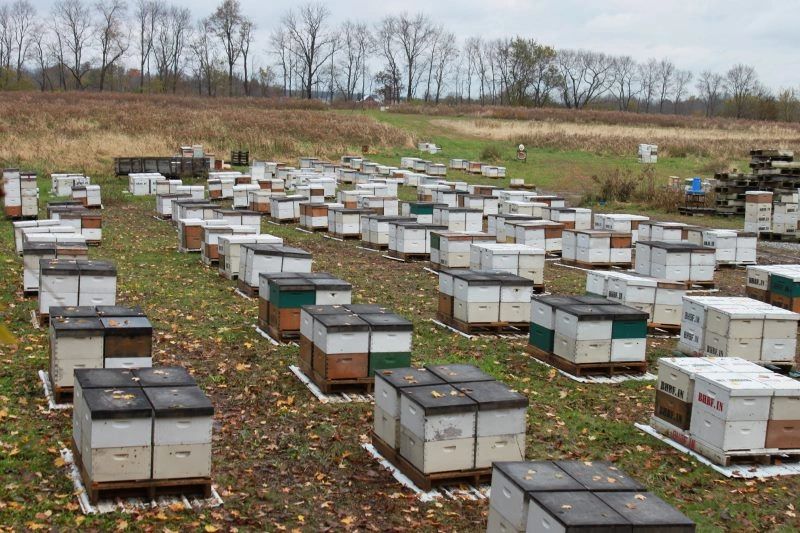
The Truth About Honey
Honey is often viewed as a harmless product, but it is made by bees for their own survival — not for humans. Bees spend their lives collecting nectar and transforming it into food that sustains their colony, especially during colder months when food is scarce.
The honey industry takes what bees create for themselves and replaces it with human-provided substitutes, turning an animal’s natural food source into a product for profit.
Want to understand why honey is not vegan?
This short documentary explores the relationship between bees, honey production, and the reasons many vegans choose not to use honey. Watch below to learn more about the lives of bees and the impact of taking what they create for themselves.
Click below to watch and learn more.
HONEY IS A BEES FOOD
Bees work incredibly hard to create honey. They collect nectar from thousands of flowers, bring it back to the hive, and transform it into a concentrated food source that provides energy and nutrients for their colony.
Honey is stored by bees to help them survive periods when flowers are unavailable. Taking honey removes a resource they created for themselves.
THE IMPACT ON BEES
Commercial beekeeping treats bees as a source of production rather than as living individuals. Beekeepers may remove honey and replace it with sugar-based substitutes that do not provide the same nutrition bees receive from their own honey.
Handling and transporting hives can also cause stress and injury to bees. Queen bees may have their wings clipped or be artificially inseminated in some commercial operations to control reproduction and hive production.
WHY HONEY IS NOT VEGAN?
Veganism is about avoiding the use of animals for human benefit as much as possible. Just like milk belongs to a calf and eggs come from a chicken’s reproductive system, honey is a product created by bees for bees.
Bees are intelligent, social animals who communicate, cooperate, and play an important role in their ecosystems. They are not here to produce products for humans — they are living beings with their own purpose.
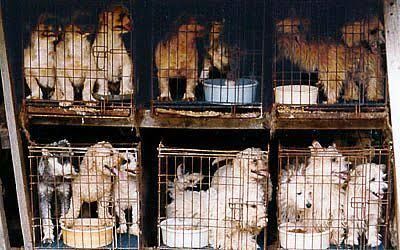
the reality behind breeding
Animals are often bred because humans want something from them — a pet to sell, a product to produce, or an attraction to draw attention. But behind every animal created for human purposes is a living being who can experience fear, pain, emotions, and a desire to live.
Breeding animals for profit or entertainment turns lives into a business, where their value is often measured by what they can provide rather than who they are.
Want to learn more about the reality behind animal breeding?
Dog by Dog is a short documentary that exposes the commercial dog breeding industry and the way animals are treated when profit comes before their well-being. Watch below to learn more about puppy mills, irresponsible breeding, and why animals should never be viewed as products.
Click below to watch and learn more
BREEDING FOR PROFIT
Millions of animals are bred every year to be bought and sold. Puppy mills, kitten mills, backyard breeders, and commercial breeding operations often prioritize producing more animals over the health and well-being of the animals already alive.
Mother animals can be forced to have litter after litter, while babies may be separated from them, sold, abandoned, or discarded when they no longer serve a purpose..
THE HEALTH COSTS OF BREEDING
Many animals are selectively bred to achieve certain appearances, sizes, or traits that humans find desirable. This can come at the cost of the animal’s health.
Dogs, cats, and other animals may be bred with inherited conditions that cause lifelong suffering, including breathing problems, painful joints, genetic disorders, and shortened lifespans.
BREEDING FOR ENTERTAINMENT
Wild animals belong in the wild — not in cages, enclosures, or exhibits created for human entertainment. Animals in zoos, wildlife parks, and attractions are often bred because babies attract visitors, increase attention, and bring in revenue.
A baby animal may be used as a symbol of conservation or entertainment, but their life is still one created and controlled by humans. They are born into captivity, unable to experience the freedom, space, and natural behaviors they would have in their native environments.
Many wild animals have complex social structures, vast territories, and natural instincts that cannot be fully met in captivity. An enclosure can never replace the forests, oceans, grasslands, and habitats these animals evolved to live in.
Animals are not attractions, photo opportunities, or a way to sell tickets. They are individuals who belong in a world where they can live freely, not one where their existence depends on what they provide for humans.
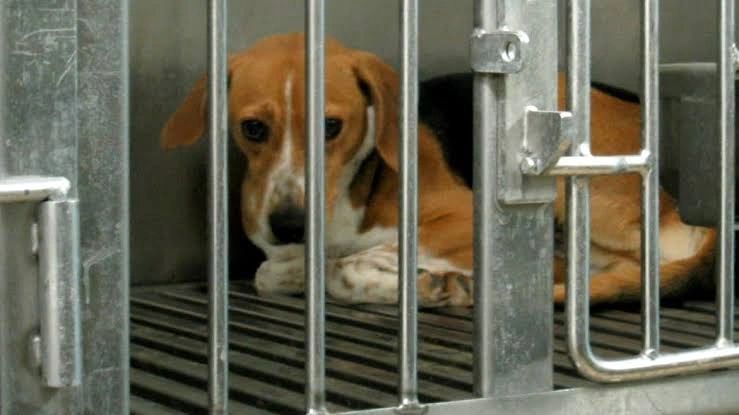
the reality behind animal testing
Animals used in laboratories are often treated as tools rather than living beings. Mice, rats, rabbits, dogs, monkeys, and many other animals are bred specifically for experiments and are forced to endure procedures they cannot escape.
These animals experience fear, pain, stress, and isolation while being used to test products, chemicals, and medical research. Their lives are controlled entirely by humans, from the moment they are born until the experiments end.
Want to learn more about the reality behind animal testing?
Maximum Tolerated Dose takes a closer look at the lives of animals used in laboratories and the ethical questions surrounding animal experimentation. Watch below to learn more about the animals behind the tests and why many people believe animals should not be used as tools for human benefit.
Click below to watch and learn more.
THE REALITY INSIDE LABORATORIES
Animals used in experiments may be poisoned, burned, infected with diseases, surgically altered, or forced to endure painful procedures to test products, chemicals, or treatments. Many spend their entire lives confined to small cages, unable to explore, socialize normally, or experience the world outside of a laboratory.
Some animals experience repeated experiments over weeks, months, or even years. When their usefulness ends, many are killed — even those who survive the testing process.
ANIMALS BEHIND THE TESTS
Every animal used in a laboratory is an individual with the ability to experience pain, fear, stress, and comfort. Mice communicate and form social bonds. Rabbits are sensitive, curious animals. Dogs seek affection and companionship. Primates have complex emotions, relationships, and behaviors.
Yet inside laboratories, these animals are often reduced to a number, a data point, or a result. Their lives are controlled entirely by humans, and they are forced to endure procedures they would never choose.
A FUTURE WITHOUT ANIMAL TESTING
Millions of animals continue to be used in experiments every year, even as science develops advanced alternatives including human cell-based research, computer modeling, and other non-animal methods.
Animals should not have to suffer because they cannot speak for themselves. They are not tools, test subjects, or stepping stones — they are living beings with their own experiences and a desire to live.
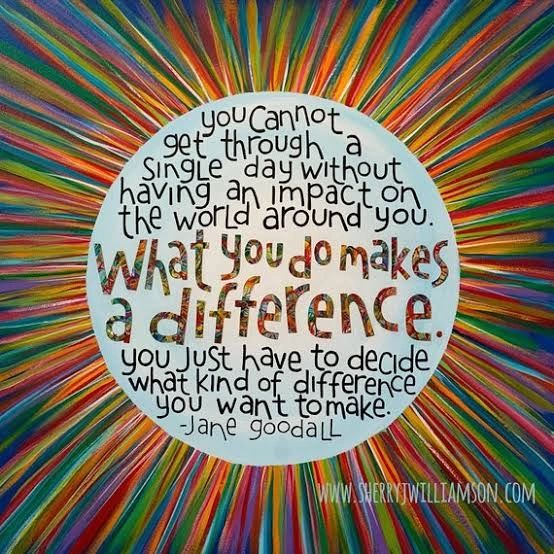
HOW CAN YOU MAKE A DIFFERNCE TODAY?
Every choice we make has an impact. The products we buy, the food we eat, and the way we view animals all shape the world we create. While one person may not change everything overnight, every person who chooses compassion helps create a future with less suffering.
Small changes can create a powerful ripple effect for animals, the planet, and our health.
Want to learn more about how our food choices impact the planet?
Cowspiracy explores the environmental impact of animal agriculture and takes a closer look at how the foods we choose affect our planet’s resources, climate, and ecosystems. Watch below to learn more about why choosing a vegan lifestyle is one of the most powerful steps we can take for animals and the environment.
Click below to watch and learn more.
CHOOSE VEGAN
The most powerful thing you can do for animals is stop supporting industries that use them. Choosing plant-based foods means choosing not to contribute to the systems that breed, confine, exploit, and kill animals for human consumption.
Today, there are more vegan options than ever — from everyday grocery items to restaurants, recipes, and alternatives that make the transition easier.
Every meal is a choice, and every choice is a chance to create less harm.
CHOOSE TO SEE ANIMALS DIFFERNTLY
Change begins with recognizing animals for who they are — not what they provide for us.
Learn their stories. Share what you discover. Support sanctuaries and organizations working to protect animals. Talk about veganism with compassion and help others understand why these choices matter.
The more people see animals as individuals, the harder it becomes to justify using them as products.
TAKE ACTION
You can make a difference beyond your own plate. Support animal rescues, choose cruelty-free products, avoid animal-based materials, and continue learning about the industries that impact animals.
You do not need to be perfect to make a difference — you just need to make choices that move the world toward more compassion.
Animals need people who will stand up for them, and that change starts with the choices we make every day.